Video Performance
2016
Presented at Fanoos Theater, Tehran
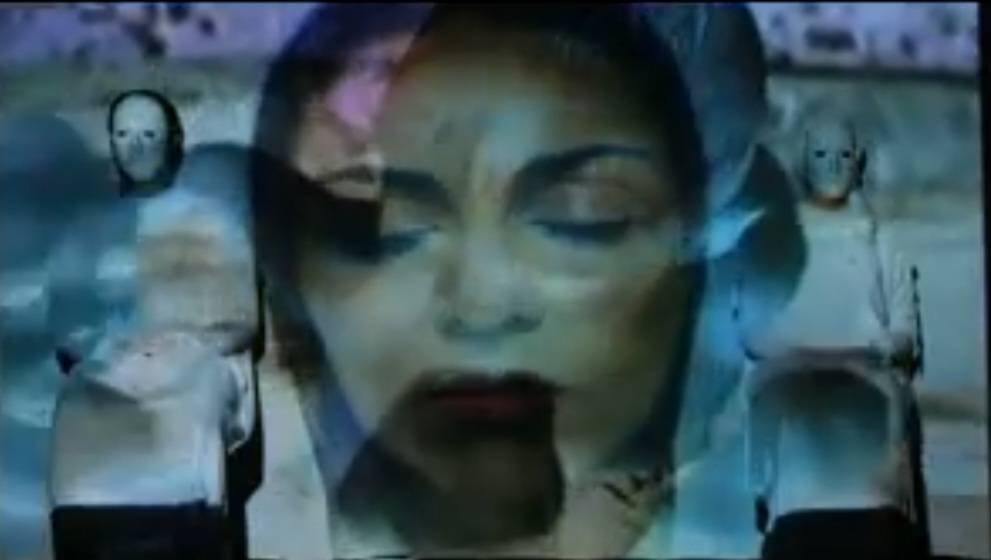
In this work, Hamlet and Ophelia are no longer dramatic characters but the aftermath of the drama. Two performers, dressed
and painted entirely in white, sit motionless before a screen. Video images fall onto the wall and their bodies, turning them into
surfaces that carry memory and testimony. The action has already taken place; what remains is a moment of review and trial.
The narrative does not emerge from the stage but from the video. Voices speak in place of Shakespeare’s characters, each
recounting their version of events. Rather than representing tragedy, the performance inhabits a post-tragic condition in which
bodies are no longer agents but evidence.
Alongside this stillness stands a group of musicians positioned at the edge of the stage. At times they enter the scene, both
playing music and assuming roles. Their presence recalls the travelling players in Hamlet, yet here they appear as remnants of
theatre itself. Once the catastrophe has occurred, theatre can no longer intervene; it can only accompany the telling.
The work raises a central question: was the disaster the result of conspiracy, misunderstanding, or submission to abstract ideas
and blind belief? Tragedy appears here not as an event, but as a historical condition whose trace is carried by bodies.